Zeeshan and Karina Hayat on The Importance of Philanthropy and Giving Back


Philanthropy and giving back to the community can play an important role in creating positive social change. Whether through financial contributions, volunteering, mentorship, education, or sharing professional expertise, individuals and organizations can use their resources to support causes and communities that need assistance.
Giving back is not limited to large charitable donations. Even small, consistent efforts can contribute to meaningful change when they are directed toward genuine community needs and sustained over time.
Understanding the Meaning of Philanthropy
Philanthropy generally refers to voluntary efforts to improve the well-being of others. It can include charitable donations, scholarships, community programs, fundraising, volunteering, and support for nonprofit organizations.
People choose to support different causes based on community needs and personal or organizational priorities. Education, healthcare, poverty reduction, youth development, environmental initiatives, and disaster relief are among the areas where philanthropic efforts can make a difference.
The most effective initiatives often begin with understanding the needs of the people they are intended to support.
Supporting Education and Opportunity
Education is an important area for philanthropic support because learning opportunities can influence an individual’s future prospects. Scholarships, educational resources, mentorship programs, and technology access can help students overcome barriers and pursue their goals.
Supporting education can also have broader community benefits. When individuals gain knowledge and skills, they may be better positioned to participate in the workforce, start businesses, contribute to their communities, and support future generations.
For this reason, educational philanthropy can create benefits that extend well beyond a single individual.
Strengthening Local Communities
Communities often face challenges that require cooperation among individuals, businesses, nonprofits, and local organizations. Philanthropic initiatives can help provide resources for community development, youth programs, cultural activities, food assistance, and other local needs.
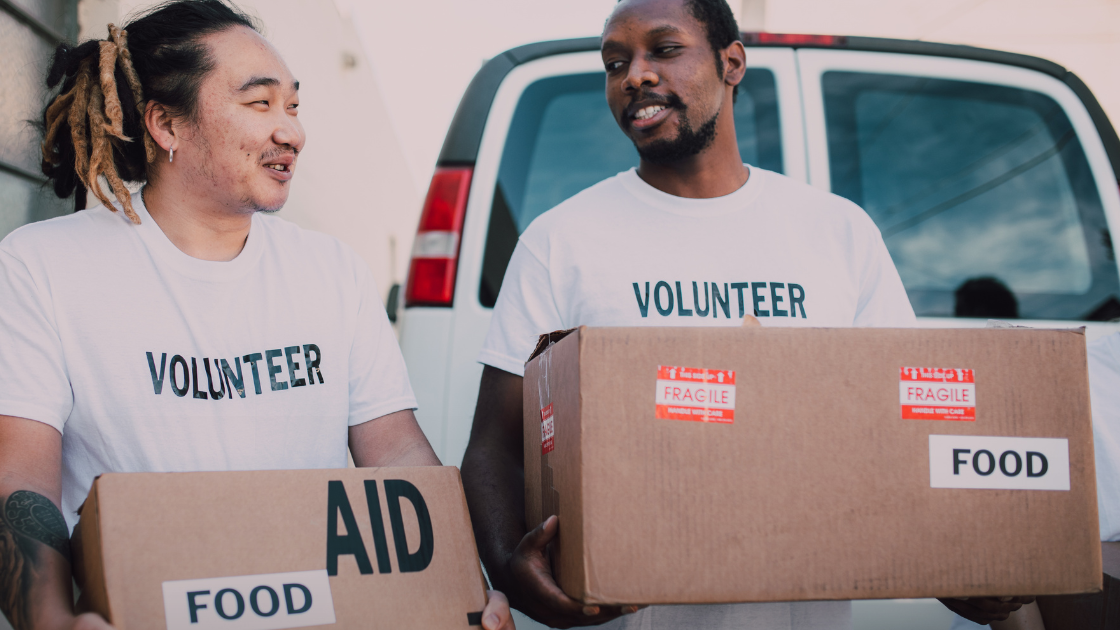
Giving back can also encourage people to become more engaged with their communities. Volunteering time or professional skills allows individuals to contribute directly rather than providing financial support alone.
Understanding local priorities is essential. Listening to community members can help ensure that philanthropic resources are directed toward useful and relevant initiatives.
The Role of Businesses in Giving Back
Businesses have an opportunity to contribute to society through both philanthropy and responsible business practices. Companies may support charitable organizations, sponsor community programs, provide employee volunteering opportunities, or contribute resources to educational initiatives.
Corporate social responsibility can also extend to everyday operations. Fair treatment of employees, responsible sourcing, ethical decision-making, environmental awareness, and transparent communication can all contribute to a broader culture of responsibility.
When giving back becomes part of an organization’s values, social contribution can become a long-term commitment rather than a one-time activity.
Encouraging Future Generations
Philanthropy can also teach younger generations about empathy, responsibility, and community participation. Children and young adults who participate in volunteer activities can develop a greater understanding of social challenges and the importance of helping others.
Schools, families, and community organizations can create opportunities for young people to participate in service projects, fundraising activities, mentoring programs, and environmental initiatives.
These experiences can help establish a culture in which contributing to the community is viewed as an ongoing responsibility.
Creating Sustainable Impact
Giving back is often most effective when efforts focus on sustainable outcomes. Immediate assistance can be important, particularly during emergencies, but long-term initiatives can help address underlying challenges.
For example, providing educational resources, vocational training, or mentorship may help individuals develop skills that support greater independence over time.
Organizations can also measure the outcomes of their initiatives to understand whether their resources are producing meaningful results. Reviewing participation, outcomes, and community feedback can help improve future programs.
Giving Time and Expertise
Philanthropy is not always about financial contributions. Time, knowledge, professional skills, and personal experience can also be valuable resources.
Professionals can mentor students, advise nonprofit organizations, teach useful skills, or participate in community projects. These contributions can provide specialized support to organizations that may have limited resources.
Giving expertise can also create meaningful connections between professionals and the communities they serve.
Building a Culture of Generosity
A culture of giving can develop when individuals and organizations consistently demonstrate a willingness to support others. Small acts of generosity can inspire additional participation and encourage people to think about how their skills and resources can benefit their communities.
Giving back does not require everyone to contribute in the same way. What matters is creating opportunities for people to participate according to their abilities and circumstances.
Conclusion
Philanthropy and giving back can help individuals and organizations contribute to stronger communities and create opportunities for others. Through charitable giving, education, volunteering, mentorship, professional expertise, and responsible business practices, people can support meaningful causes in many different ways.
The importance of philanthropy lies not only in the resources provided but also in the long-term relationships, opportunities, and positive changes that those resources can help create. By understanding community needs and supporting sustainable initiatives, individuals and organizations can make giving back a meaningful part of their broader contribution to society.
About 100 Meals a Week