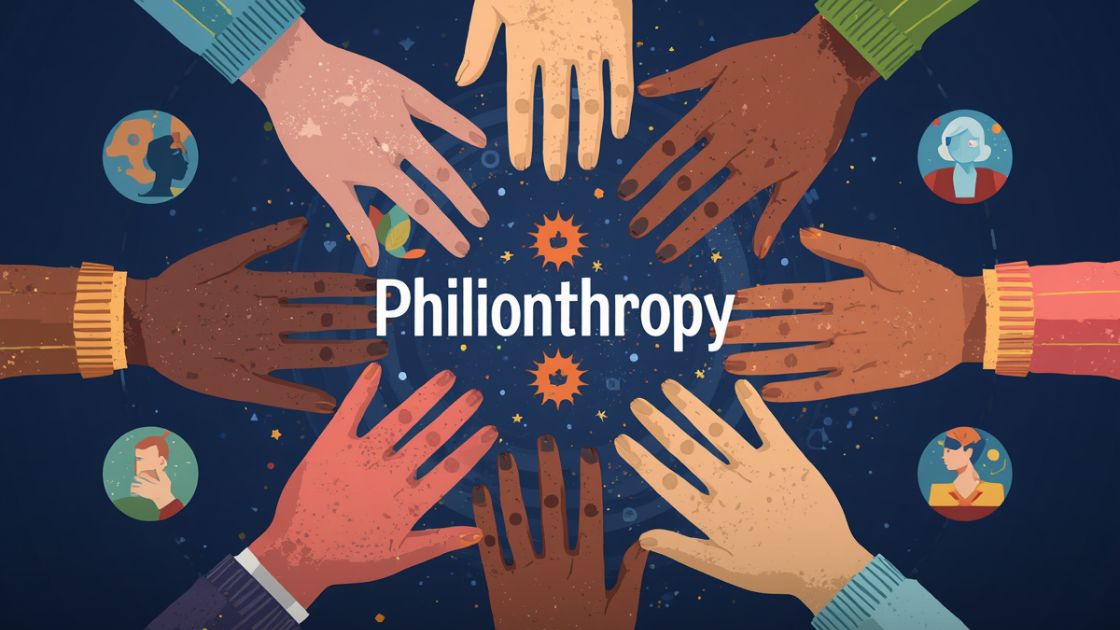
Philanthropy in 2026: Trends Shaping the Future of Giving


Philanthropy has always reflected the values and priorities of society, and in 2026, it is undergoing a major transformation. Modern giving is no longer limited to traditional donations or large charitable foundations. Instead, it is becoming more data-driven, transparent, technology-enabled, and globally connected. From AI-powered donation platforms to impact-focused investing, philanthropy is evolving into a more strategic and measurable force for change.
The Rise of Data-Driven Giving
One of the most significant shifts in modern philanthropy is the use of data to guide decisions. Donors today want to know exactly how their contributions are being used and what impact they are creating. Organizations are responding by adopting advanced analytics tools to track outcomes, measure effectiveness, and improve transparency.
Data-driven philanthropy allows donors to move beyond emotional giving and focus on measurable impact. This ensures that resources are allocated to programs that deliver real, long-term benefits to communities.
Technology and AI Transforming Philanthropy
Artificial Intelligence is playing a growing role in the philanthropic sector. AI helps organizations identify regions and communities with the greatest need by analyzing global data such as poverty levels, healthcare access, education gaps, and disaster risks.
AI-powered platforms also match donors with causes that align with their values and interests, making the giving process more personalized and efficient. In addition, automation tools streamline fundraising campaigns, donor communication, and reporting, allowing nonprofit organizations to operate more effectively with limited resources.
Rise of Digital and Micro-Donations
Digital platforms have made giving more accessible than ever before. In 2026, micro-donations—small, frequent contributions made through apps, websites, or even social media—are becoming increasingly popular. Instead of waiting to make large annual donations, individuals can now contribute instantly to causes they care about.
Crowdfunding platforms and mobile payment systems have also expanded participation in philanthropy, allowing millions of people to support global causes with just a few clicks.
Impact Investing and Strategic Philanthropy
Modern philanthropists are increasingly focused on impact investing, where financial returns are combined with social or environmental benefits. Instead of simply donating money, donors are investing in businesses and projects that generate measurable positive change.
This shift reflects a more strategic approach to philanthropy, where long-term sustainability is prioritized over short-term assistance. As a result, capital is being directed toward renewable energy, education, healthcare innovation, and social entrepreneurship.
Transparency and Accountability
Trust is a critical factor in modern philanthropy. Donors today expect full transparency regarding how funds are used. In response, organizations are adopting blockchain technology and digital tracking systems to ensure accountability.
These tools allow donors to trace their contributions from donation to implementation, reducing misuse of funds and increasing confidence in charitable organizations. Greater transparency is helping rebuild trust and encouraging more consistent giving.
The Role of Social Media and Influencers
Social media continues to play a powerful role in shaping philanthropic behavior. Influencers, content creators, and public figures are using their platforms to raise awareness about social issues and mobilize global audiences.
Viral campaigns and online fundraising challenges have made philanthropy more engaging and community-driven. This digital influence is especially effective in responding to emergencies, where rapid fundraising can save lives and provide immediate relief.
Global Collaboration for Greater Impact
In 2026, philanthropy is increasingly global. Organizations, governments, and private donors are collaborating across borders to address shared challenges such as climate change, poverty, and public health crises.
This collaborative approach ensures that resources, knowledge, and innovation are shared more effectively. It also highlights the importance of collective responsibility in solving global problems.
Challenges in Modern Philanthropy
Despite its progress, philanthropy still faces challenges. Inequality in resource distribution, lack of access in developing regions, and concerns about data privacy in digital platforms remain important issues. Additionally, ensuring that technology-driven philanthropy remains ethical and inclusive is an ongoing priority.
Balancing efficiency with compassion is essential. While technology improves reach and measurement, human judgment and empathy remain at the core of meaningful giving.
Conclusion
Philanthropy in 2026 is more dynamic, transparent, and technology-driven than ever before. With the help of AI, data analytics, digital platforms, and global collaboration, giving is becoming more effective and accessible to people around the world.
As the sector continues to evolve, the future of philanthropy will depend on combining innovation with human compassion. By embracing both technology and empathy, modern philanthropy has the potential to create lasting, measurable change for generations to come.
About 100 Meals a Week