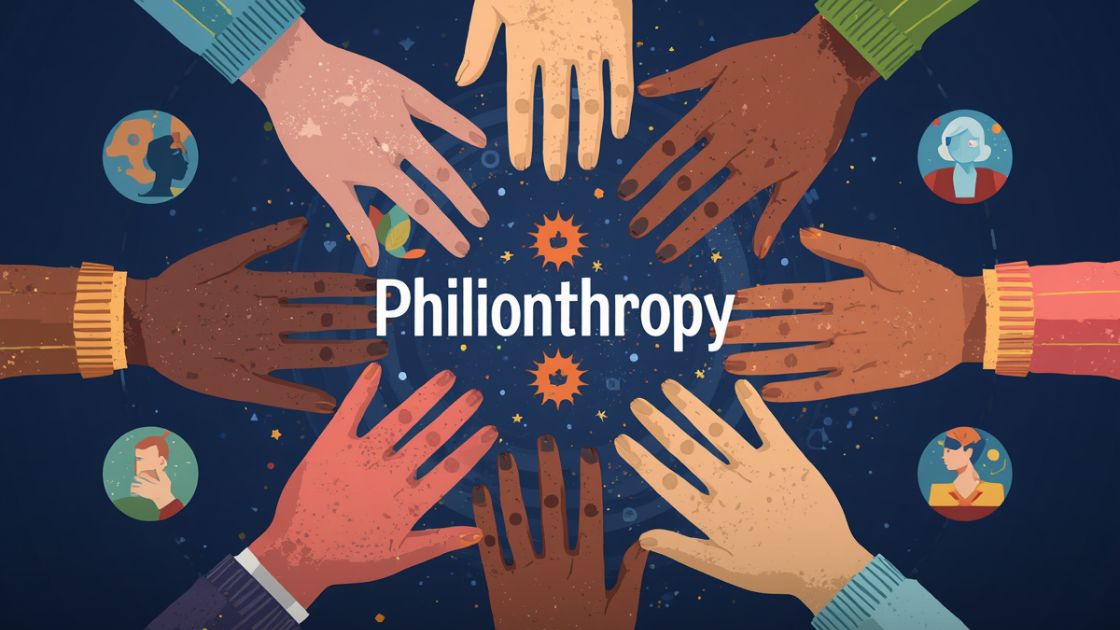
Zeeshan and Karina Hayat: Creating Positive Change Through Philanthropy


Philanthropy has the potential to create meaningful and lasting change in communities. While charitable giving is often associated with financial donations, philanthropy encompasses much more. Sharing time, knowledge, professional skills, resources, and opportunities can all contribute to improving the lives of others.
For individuals, entrepreneurs, and organizations, philanthropy can be a meaningful way to support important causes while helping build stronger and more connected communities. When philanthropic efforts are thoughtful and focused on genuine needs, they can create benefits that extend far beyond the initial contribution.
Understanding the Purpose of Giving
Effective philanthropy begins with understanding why support is needed. Communities and individuals can face challenges related to education, healthcare, employment, poverty, housing, and access to essential resources.
Rather than assuming what people need, philanthropic organizations and donors can work with community members and local organizations to understand their priorities. This approach can help ensure that resources are directed toward practical solutions.
Understanding the problem is an important first step toward creating meaningful impact.
Supporting Education and Learning
Education is one of the most important areas where philanthropy can create long-term opportunities. Scholarships, school supplies, technology, mentorship, and educational programs can help students access learning resources and pursue their goals.
Supporting education can also have a broader effect. When individuals gain knowledge and professional skills, they may be better positioned to find employment, start businesses, and contribute to their communities.
Investing in education can therefore help create opportunities that continue across generations.
Strengthening Communities
Philanthropy can contribute to stronger communities by supporting programs that address local needs. These may include youth development, healthcare initiatives, food assistance, environmental projects, cultural programs, and community infrastructure.
Community organizations often have a close understanding of local challenges. Partnerships between donors, businesses, nonprofits, and community leaders can help combine resources and expertise to address those challenges more effectively.
When people work together toward shared objectives, philanthropic efforts can have a broader reach.
Sharing Knowledge and Expertise
Financial contributions are only one way to make a difference. Professional knowledge and expertise can also be valuable philanthropic resources.
Business leaders can mentor entrepreneurs, professionals can provide career guidance, and specialists can support nonprofit organizations with skills such as accounting, marketing, technology, or strategic planning.
Skills-based philanthropy can help organizations strengthen their own capabilities while providing practical support that may continue to create value after the initial contribution.
Encouraging Entrepreneurship
Supporting entrepreneurship can be another way to create positive change. New businesses can create employment opportunities, introduce useful products and services, and contribute to local economies.
Philanthropic initiatives can support aspiring entrepreneurs through training, mentorship, business education, networking opportunities, and access to resources.
Experienced entrepreneurs can also play an important role by sharing lessons from their own professional journeys and helping emerging business owners navigate common challenges.
Creating Sustainable Impact
Positive change is often strongest when philanthropic initiatives consider long-term outcomes. Immediate assistance can be essential during emergencies, but sustainable programs can help people develop greater independence over time.
For example, food assistance can address an immediate need, while vocational training may help an individual develop skills for future employment. Similarly, educational support can provide benefits that continue long after a scholarship or program has ended.
Thinking about sustainability encourages philanthropic efforts to focus not only on immediate results but also on future opportunities.
Measuring and Improving Impact
Thoughtful philanthropy involves understanding whether an initiative is achieving its intended purpose. Organizations can evaluate participation, outcomes, community feedback, and other relevant indicators to assess their programs.
Measuring impact does not have to reduce philanthropy to numbers. Qualitative feedback and personal experiences can also provide valuable information about whether a program is meeting people’s needs.
Regular evaluation allows organizations to identify areas for improvement and make better-informed decisions about future initiatives.
Inspiring Others to Give Back
Philanthropic actions can encourage others to participate. When individuals, businesses, and community leaders demonstrate a commitment to helping others, they can inspire employees, families, and younger generations to contribute in their own ways.
Volunteering programs, community events, mentorship opportunities, and charitable partnerships can make it easier for people to become involved.
Over time, individual contributions can become part of a broader culture of generosity and community participation.
The Role of Businesses
Businesses can contribute to positive social change through both philanthropy and responsible business practices. Companies may support nonprofit organizations, sponsor educational programs, encourage employee volunteering, or provide resources to community initiatives.
Social responsibility can also be incorporated into everyday operations through ethical leadership, fair employment practices, environmental awareness, and responsible relationships with customers and suppliers.
This broader approach allows businesses to consider their impact on society alongside their commercial objectives.
Conclusion
Creating positive change through philanthropy requires more than simply giving resources. It involves understanding community needs, supporting meaningful opportunities, sharing knowledge, encouraging education and entrepreneurship, and focusing on sustainable outcomes.
Every contribution can take a different form. Financial support, volunteering, mentorship, professional expertise, and community partnerships can all play a role in creating positive change.
When individuals and organizations give thoughtfully and remain committed to the communities they support, philanthropy can become a powerful way to create opportunities, strengthen communities, and contribute to a more positive future.
About 100 Meals a Week