Zeeshan and Karina Hayat on the Power of Philanthropy and Community Impact


Philanthropy has the potential to create meaningful change in communities by providing resources, opportunities, and support to people who need them. While philanthropy is often associated with charitable donations, its impact can extend far beyond financial contributions. Volunteering, mentorship, education, professional expertise, and community partnerships can all play an important role in creating lasting social value.
As individuals, entrepreneurs, and organizations become increasingly aware of their broader responsibilities, philanthropy can serve as a meaningful way to contribute to stronger and more connected communities.
Creating Opportunities Through Giving
One of the most significant ways philanthropy can create impact is by opening doors for others. Access to education, healthcare, skills training, and essential resources can influence an individual’s ability to build a more secure future.
Scholarships, educational programs, mentorship initiatives, and career-development opportunities can provide people with tools that extend beyond immediate assistance. When individuals gain knowledge and skills, they may be better prepared to pursue employment, start businesses, and contribute to their communities.
This demonstrates how thoughtful giving can create a ripple effect that benefits more than one person.
Supporting Education and Future Generations
Education is one of the areas where philanthropic investment can have a long-term influence. Many students have the ability and ambition to succeed but may face barriers related to resources, technology, or access to learning opportunities.
Philanthropic support can help address some of these barriers through scholarships, school resources, technology programs, libraries, mentorship, and educational initiatives.
Supporting young people can also contribute to the development of future professionals, entrepreneurs, educators, and community leaders. In this way, philanthropy focused on education can help create benefits that continue across generations.
Strengthening Local Communities
Community impact often begins at the local level. Every community has different needs, and effective philanthropic initiatives should take those differences into account.
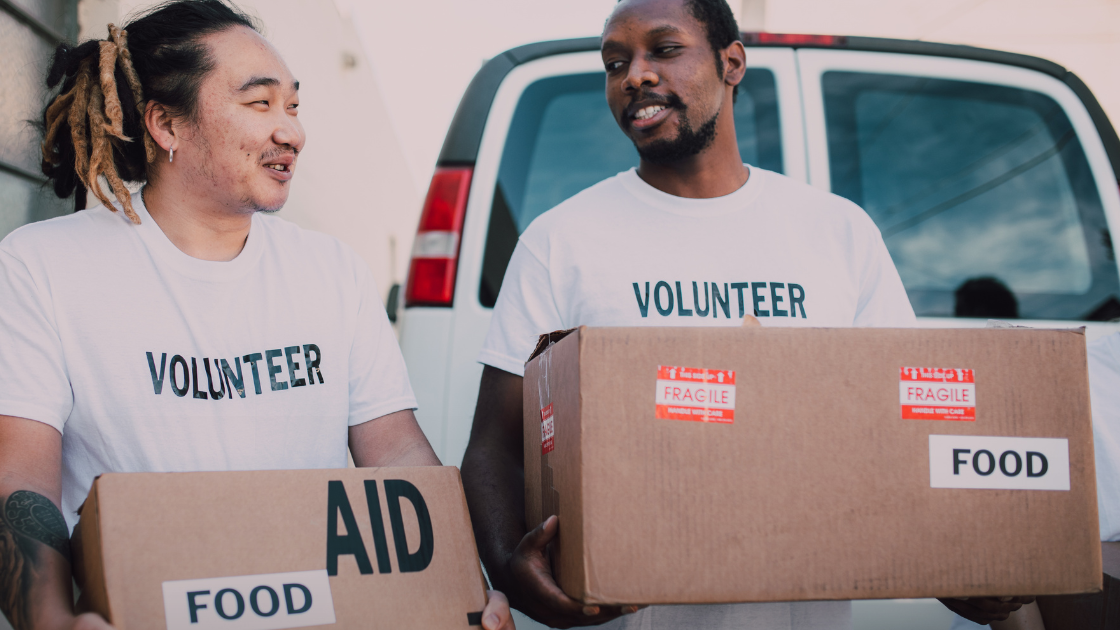
Support may be directed toward food programs, healthcare services, youth development, environmental projects, cultural activities, or community infrastructure. Working with local organizations and listening to residents can help ensure that resources address genuine priorities.
Community-focused philanthropy can also bring people together. When individuals, businesses, nonprofit organizations, and local groups work toward shared objectives, they can create stronger networks of support.
The Role of Entrepreneurs and Businesses
Entrepreneurs and businesses have unique opportunities to contribute to their communities. Beyond financial donations, they can share knowledge, professional expertise, technology, networks, and resources.
Business leaders can support aspiring entrepreneurs through mentorship, help educational institutions develop career programs, or partner with nonprofit organizations to address specific community needs.
Businesses can also integrate social responsibility into their everyday operations through ethical practices, employee volunteering, responsible sourcing, environmental awareness, and community engagement.
This approach connects business activity with a broader commitment to creating positive value.
Giving Time, Skills, and Expertise
Philanthropy does not always require a large financial contribution. Time and expertise can be equally valuable.
Professionals can volunteer their skills to nonprofit organizations, mentor young people, provide career guidance, or participate in community initiatives. Someone with experience in finance might help a nonprofit improve its budgeting, while a marketing professional might assist with communications and outreach.
Skills-based contributions can provide practical support and help organizations build their own capabilities.
Creating Sustainable Impact
The strongest philanthropic initiatives often look beyond immediate assistance. While providing support during a crisis can be essential, long-term programs can help address deeper challenges.
For example, providing food to a family can meet an immediate need, while education, vocational training, or employment support may help create greater stability over time.
Sustainable philanthropy requires understanding the causes of a problem, listening to the people affected, and developing programs that can continue producing value. Measuring outcomes can also help organizations understand what is working and where improvements may be needed.
Inspiring a Culture of Giving
Philanthropy can influence more than the direct recipients of support. Acts of generosity can inspire others to become involved and contribute in their own ways.
Young people who participate in volunteering may develop a stronger understanding of community responsibility. Employees involved in corporate volunteering programs may become more engaged with local causes. Businesses that prioritize community involvement can encourage partners and customers to consider their own social contributions.
Over time, these individual efforts can contribute to a broader culture of giving and participation.
Conclusion
The power of philanthropy lies in its ability to create opportunities, strengthen communities, and encourage people to contribute to something larger than themselves. Financial donations, education, mentorship, volunteering, professional expertise, and responsible business practices can all contribute to meaningful community impact.
Effective philanthropy is not simply about giving more; it is about giving thoughtfully and understanding where support can create meaningful value. By focusing on genuine needs, sustainable initiatives, and long-term opportunities, individuals and organizations can help build stronger communities and create positive impact that extends well into the future.
About 100 Meals a Week