How One Act of Giving Can Change Thousands of Lives

It is easy to underestimate the power of a single act of generosity. In a world of large-scale problems—poverty, lack of education, healthcare gaps, and disaster relief—it may seem like only governments or major organizations can make a real difference. Yet history repeatedly shows that one act of giving, no matter how small it appears, can trigger a chain reaction that transforms thousands of lives.
In 2026, with digital platforms, global connectivity, and fast-moving communication systems, the impact of a single act of giving is even greater. One decision to help can ripple across communities, regions, and sometimes even generations.
The Ripple Effect of Generosity
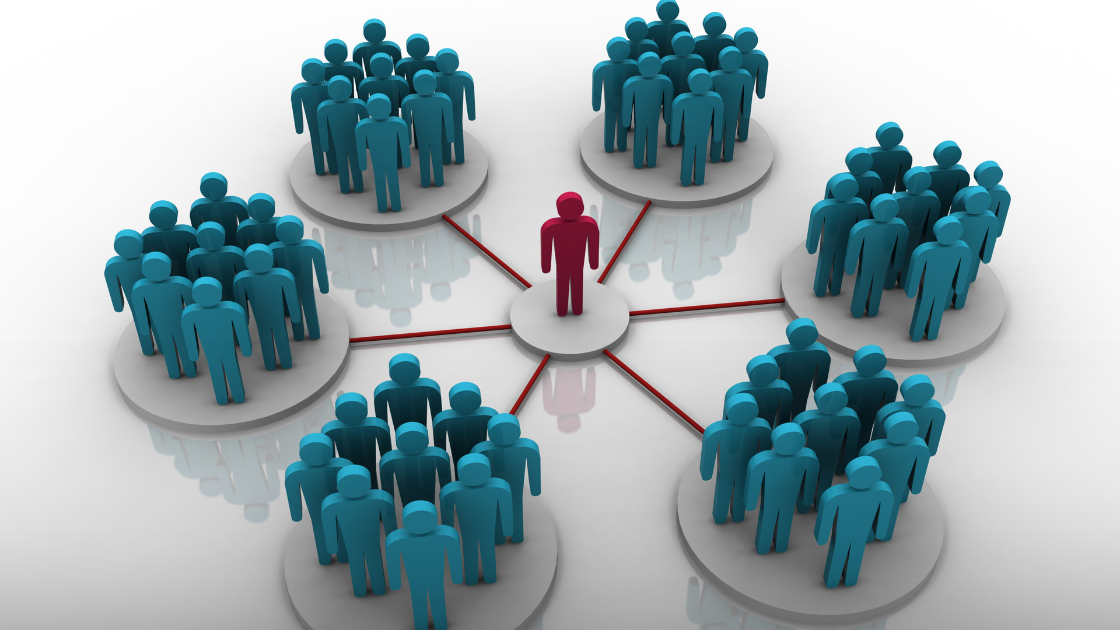
When someone donates time, money, or resources, the immediate impact is often visible in one place—one school, one family, or one hospital. However, the real power of giving lies in its ripple effect.
For example, donating to fund a child’s education does more than support that single student. That child may grow up to become a teacher, doctor, or entrepreneur who then supports hundreds or thousands of others. In this way, one act of giving multiplies its value over time.
This ripple effect is the foundation of sustainable philanthropy. It shows that generosity is not linear—it expands outward in ways that are often impossible to predict.
How Digital Platforms Multiply Impact
In today’s world, technology has amplified the reach of a single act of giving. Online crowdfunding platforms, mobile payment systems, and global donation networks allow contributions to spread quickly and efficiently.
A single donation shared on social media can inspire thousands of others to contribute. Viral campaigns often begin with one story, one post, or one video that captures attention and mobilizes global support.
In 2026, AI-driven platforms also help match donations to high-impact causes, ensuring that even small contributions are directed where they are needed most. This means that one thoughtful act of giving can be strategically multiplied for maximum effect.
Real Change Starts with Small Contributions
Many people believe that only large donations matter, but small contributions often create surprisingly large outcomes when combined with collective action.
Micro-donations from thousands of individuals can fund entire school programs, medical treatments, or disaster relief operations. When one person chooses to give, they often inspire others to follow, creating a wave of collective generosity.
This is why modern philanthropy emphasizes participation over size. The number of people who give is often more powerful than the amount each person gives individually.
The Power of Human Stories
Behind every act of giving is a human story. One donation might help a student stay in school, provide food for a struggling family, or fund life-saving medical treatment. These stories often inspire others to act.
When people see real-life examples of how generosity changes lives, they are more likely to contribute themselves. This emotional connection turns a single act of giving into a movement that reaches far beyond its original intent.
Storytelling has become one of the most powerful tools in modern philanthropy because it turns abstract problems into relatable human experiences.
Long-Term Impact Across Generations
The effects of one act of giving are not always immediate. In many cases, the benefits unfold over years or even decades.
A scholarship fund, for example, may help one student complete their education, but that student may go on to support their entire family and community. Similarly, investments in healthcare or clean water can improve the quality of life for generations.
This long-term impact is what makes giving so powerful. It is not just about solving today’s problems but about shaping a better future.
Why Every Act Matters
One of the most important lessons in philanthropy is that no act of giving is too small. Whether it is donating money, volunteering time, or sharing a fundraising campaign, every action contributes to a larger ecosystem of change.
In a connected world, even a simple online share can reach thousands of people and inspire further action. The combined effect of these small gestures creates meaningful global impact.
Conclusion
One act of giving may seem small in isolation, but its effects can multiply in extraordinary ways. Through ripple effects, digital amplification, collective participation, and long-term change, a single decision to help can ultimately touch thousands of lives.
In 2026, generosity is more powerful than ever because it is faster, more connected, and more scalable. The future of change does not depend only on large institutions—it also depends on individuals who choose to give, act, and inspire others.
Ultimately, one act of kindness is never just one act. It is the beginning of a chain reaction that can reshape lives far beyond what we can see
About 100 Meals a Week