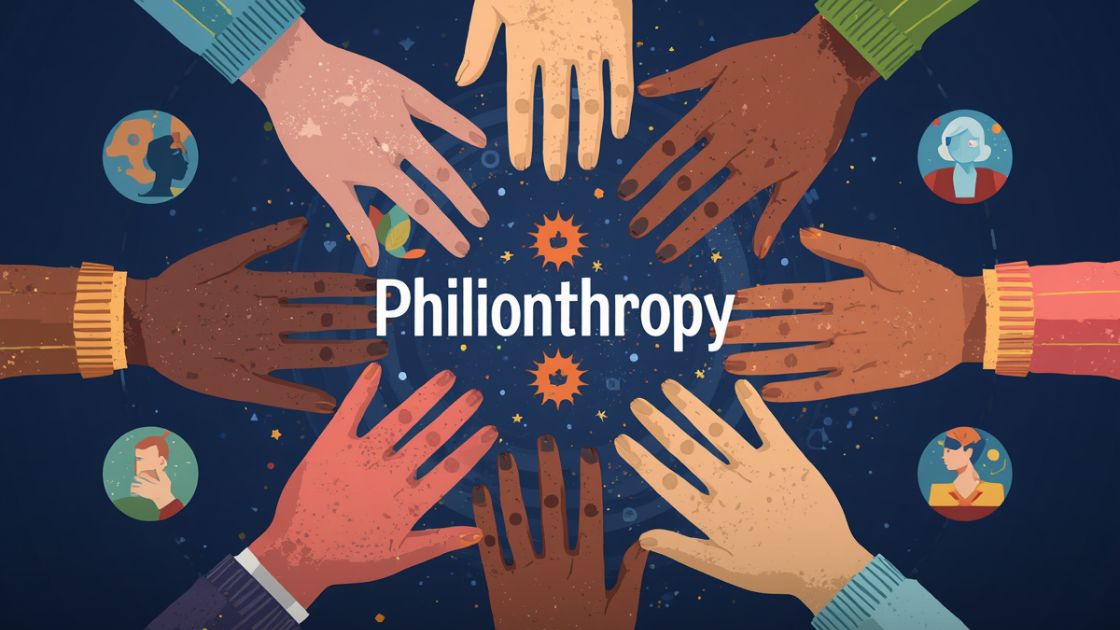
Zeeshan and Karina Hayat – Philanthropy in the Modern World: Giving with Purpose


Philanthropy has long been an important part of building stronger communities and addressing social challenges. However, in the modern world, philanthropy has evolved beyond traditional charity. Today, it is increasingly driven by purpose, strategy, and a deeper understanding of long-term impact. Modern philanthropists are not only donating resources—they are actively working to create meaningful and sustainable change.
Giving with purpose means focusing on initiatives that empower communities, solve pressing problems, and create opportunities for people to thrive. In a time when global challenges are becoming more complex, purposeful philanthropy plays a crucial role in shaping a more inclusive and sustainable future.
The Evolution of Philanthropy
Historically, philanthropy often took the form of donations or short-term support for charitable causes. While these contributions were valuable, they sometimes addressed immediate needs without solving underlying issues.
Modern philanthropy takes a more strategic approach. Philanthropists today focus on creating long-term solutions that address the root causes of social challenges such as poverty, lack of education, healthcare inequality, and environmental concerns.
This shift has transformed philanthropy into a powerful tool for social innovation and sustainable development.
Purpose-Driven Giving
At the heart of modern philanthropy is purpose-driven giving. Instead of simply providing financial support, individuals and organizations are aligning their charitable efforts with their values and vision for a better society.
Purpose-driven philanthropy involves careful planning and collaboration with communities, nonprofit organizations, and social initiatives. By understanding the real needs of communities, philanthropists can support programs that create lasting impact rather than temporary relief.
This thoughtful approach ensures that resources are used effectively and contribute to meaningful progress.
The Role of Business Leaders in Philanthropy
Many business leaders are increasingly integrating philanthropy into their leadership philosophy. As businesses grow and achieve success, leaders recognize the importance of giving back to the communities that support them.
Entrepreneurs and corporate leaders often have access to financial resources, networks, and influence that can accelerate social impact. By supporting education programs, healthcare initiatives, community development projects, and humanitarian efforts, business leaders can help address some of society’s most pressing challenges.
This connection between business success and social responsibility is shaping a new generation of purpose-driven leadership.
Collaborative Impact
One of the defining characteristics of modern philanthropy is collaboration. Today’s philanthropists understand that large social challenges require collective efforts. Partnerships between businesses, nonprofit organizations, governments, and communities can significantly amplify impact.
Collaborative philanthropy allows different stakeholders to combine their expertise, resources, and perspectives to develop more effective solutions. This approach encourages innovation and ensures that philanthropic initiatives are sustainable over the long term.
When organizations work together, they can address challenges at a larger scale and create deeper, more lasting change.
Empowering Communities
Purposeful philanthropy focuses on empowering communities rather than creating dependency. Modern philanthropic initiatives aim to provide individuals with the tools, education, and opportunities needed to improve their own lives.
Programs that support education, entrepreneurship, skills development, and access to healthcare help individuals build stronger futures for themselves and their families. By investing in human potential, philanthropy contributes to long-term economic and social development.
Empowered communities are better equipped to overcome challenges and drive their own progress.
Technology and the Future of Philanthropy
Technology is playing an increasingly important role in shaping the future of philanthropy. Digital platforms, data analytics, and social networks allow philanthropists to track impact, identify needs more accurately, and reach communities more efficiently.
Technology also makes it easier for individuals and organizations to collaborate across borders, expanding the reach of philanthropic initiatives. As technology continues to advance, it will likely create new opportunities for innovative and scalable solutions to global challenges.
Conclusion
Philanthropy in the modern world is about more than generosity—it is about purpose, strategy, and meaningful impact. Purpose-driven giving allows individuals and organizations to address complex social challenges while creating opportunities for sustainable growth and development.
By aligning resources with thoughtful initiatives, modern philanthropists can support communities, empower individuals, and contribute to long-term progress. As more leaders embrace this approach, philanthropy will continue to evolve as a powerful force for positive change.
In a world that faces both great opportunities and significant challenges, giving with purpose has the potential to transform lives and shape a brighter future for generations to come.
About 100 Meals a Week