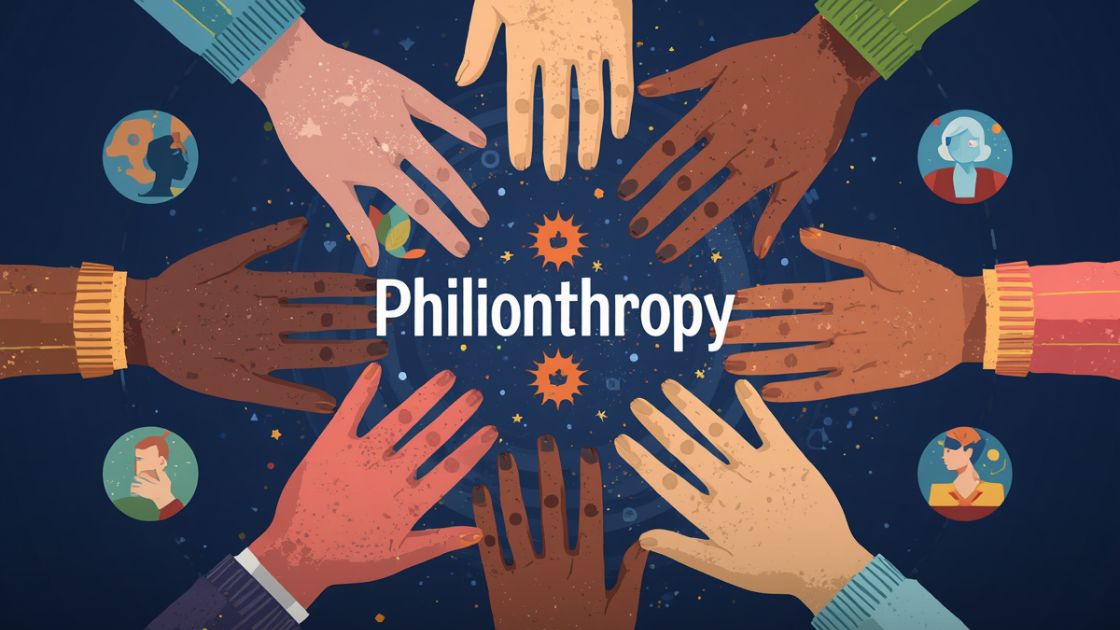
Beyond Charity and Checkbooks: Redefining What It Means to Be a Philanthropist Today, with Zeeshan and Karina Hayat


For much of history, philanthropy has been measured by the size of a donation or the prestige of a benefactor’s name attached to a cause. Writing a check, funding a gala, or supporting a charity campaign was considered the gold standard of giving. While these acts still matter, they are no longer enough. The realities of today’s world demand a deeper, more intentional form of philanthropy—one that goes beyond charity and checkbooks.
Modern philanthropy is being redefined by impact, not optics. It is no longer about generosity alone; it is about responsibility, partnership, and long-term change. In an age marked by complex social challenges, being a philanthropist today means showing up differently.
The Shift from Transactional to Transformational Giving
Traditional philanthropy often operates on a transactional model: resources are given, services are delivered, and the cycle repeats. While this approach can provide short-term relief, it rarely addresses the root causes of systemic problems such as poverty, inequitable education, healthcare gaps, or social exclusion.
Transformational philanthropy asks harder questions. Instead of asking, “How much can I give?” it asks, “What needs to change for this problem to stop repeating?” This shift requires patience and a willingness to invest in long-term solutions—policy reform, education systems, leadership development, and community-led initiatives—that may not offer immediate or visible returns.
True impact takes time. Modern philanthropists understand that meaningful change is often quiet, gradual, and measured in lives improved rather than headlines earned.
From Donor to Partner
One of the most significant changes in modern philanthropy is the evolving role of the philanthropist. Today, effective philanthropists are not distant donors; they are active partners.
Partnership means working with communities rather than for them. It means listening before leading and respecting lived experience as a form of expertise. Communities facing challenges are not passive recipients of help; they are active agents of change. When philanthropy centers local voices and leadership, solutions become more relevant, sustainable, and dignified.
This approach also shifts power dynamics. Instead of imposing solutions, modern philanthropists support grassroots organizations, invest in local capacity, and create space for communities to define success on their own terms.
Beyond Money: Expanding the Definition of Giving
Money is a powerful tool, but it is only one form of capital. Today’s philanthropist understands that time, skills, networks, and influence can be just as valuable—sometimes even more so.
Mentorship, strategic guidance, advocacy, technology support, and access to networks often unlock opportunities that funding alone cannot. When entrepreneurs mentor young leaders, professionals share expertise, or advocates amplify underrepresented voices, philanthropy becomes a shared and participatory effort.
This broader definition of giving also democratizes philanthropy. You do not need immense wealth to make a meaningful impact. Anyone willing to contribute their knowledge, time, or voice can be a philanthropist in the modern sense.
Accountability and Impact Over Image
Another hallmark of modern philanthropy is accountability. Today’s donors are increasingly focused on outcomes rather than appearances.
The most important questions are no longer about how much was raised, but about what actually changed:
- Were lives meaningfully improved?
- Did this initiative strengthen systems or merely treat symptoms?
- What lessons emerged, and how can the approach evolve?
Transparency, honest evaluation, and a willingness to learn from failure are critical. Philanthropy that prioritizes image over impact may attract attention, but it rarely produces lasting change. Impact-driven philanthropy values humility, reflection, and continuous improvement.
Collaboration as a Force Multiplier
Modern social challenges are too complex for any single organization or individual to solve alone. As a result, collaboration has become a defining feature of effective philanthropy.
When nonprofits, businesses, governments, and community leaders work together, they can pool resources, share knowledge, and address challenges holistically. Collaboration reduces duplication, increases efficiency, and amplifies results.
This collective approach also reflects a shift away from competition and ego. Modern philanthropists recognize that shared success matters more than individual recognition.
A More Human, Dignified Approach
At its core, redefining philanthropy is about restoring humanity to the act of giving. It is about moving away from savior narratives and toward mutual respect and dignity.
Modern philanthropy recognizes that those being served are not problems to be fixed, but people with agency, resilience, and insight. It prioritizes dignity over dependency and empowerment over charity.
This human-centered approach requires empathy, cultural awareness, and a willingness to confront uncomfortable truths about inequality and privilege. It challenges philanthropists to see themselves not as heroes, but as collaborators in a shared journey toward equity.
The Philanthropist of Today—and Tomorrow
Being a philanthropist today is not defined by wealth alone. It is defined by intention, integrity, and commitment.
It means engaging consistently, thinking systemically, and staying invested even when progress is slow or unseen. It means giving not just what is easy, but what is needed—time, attention, trust, and partnership.
Beyond charity and checkbooks, modern philanthropy is about showing up with humility and purpose. In a world that demands deeper solutions, the true philanthropist is not the one who gives the most, but the one who helps create lasting change.
About 100 Meals a Week